
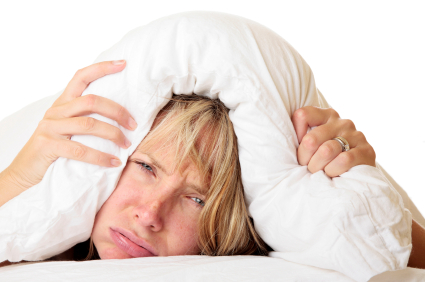
Most smokers and/or vapers want to quit, and many have tried on numerous occasions without success. For many, it is often the daily cravings and strong withdrawal symptoms that lead them back to their full time smoking/vaping.
The good news however, is that quitting smoking and/or vaping is achievable and withdrawal symptoms can be managed. Firstly, see them as a good sign that your body is recovering and adjusting to life without nicotine.
So what are some of the symptoms?
There are many different withdrawal symptoms and not every smoker/vaper will experience every symptom, but some common symptoms include:
- intense cravings
- headaches
- coughing
- difficulty sleeping; restlessness
- feeling tired and lethargic
- poor concentration
- mood changes (irritability, feeling down, sad, angry, anxious)
- flu like symptoms
- aches and pains
- increased appetite
- upset digestion
- tingling in the hands and feet
How long do these symptoms last for?
Withdrawal symptoms usually peak within 2 – 3 days and depending on how long you’ve been smoking and/or vaping for, they can last up to 4 weeks.
In spite of this, there is good news – they do diminish over time. The longer you remain smoke/vapefree, the better you will feel. Overall, your health and wellbeing will improve, not just your physical health, but your mental health too.
What can help is being aware of some of the symptoms that you may experience – this can help to relieve some of the anxiety and can help you effectively prepare by putting some strategies in place.
So what can you do?
There are a number of ways to handle withdrawal and daily cravings. What is important is finding strategies that will work for you.
Create your own personal list (including your reasons for quitting), as this will help you stay motivated and remain smoke/vapefree in the long term.
Ten tips that you could try…
1. Do some physical activity
Go for a short walk, do some yoga stretches, do some push-ups – just get up and move your body.
2. Call a loved one
Spend time with family, friends and colleagues who don’t smoke and/or vape, and ask for their non-judgemental support.
3. Brush your teeth
And savour the taste and experience. Use mint flavoured mouth wash, visit the dentist and have your teeth cleaned/whitened.
4. Listen to your favourite music
Sing out loud, feel the beat, dance like no-one is watching.
5. Practice relaxation techniques
Take a few deep breaths, meditate or practice mindfulness. Learn to ‘surf the urge’, by imagining your cravings as waves, and ‘riding them out’ until they subside. Cravings will come and go, just like the ocean waves – focus on your breath during this time.
6. Spoil yourself
Treat yourself with the money you are saving/have saved. For example, buy movie tickets (or go GOLD class), buy new clothes, a gift for your kids, concert/theatre tickets, new apps, a shoulder massage – there are many ways to reward yourself.
7. Eat a healthy snack
For example, a piece of fruit, a handful of nuts, some dates, some raw veggies, a cracker with some low fat dip or low fat cheese, some microwave popcorn, yoghurt with berries, some sugar free jelly.
8. Play a game
Spend time playing with your children or play a game on your phone/computer. Do some crossword puzzles/Sudoku.
9. Use the quitting products
There is strong evidence that quitting medications (such as nicotine replacement products and the prescribed medications) can not only help relieve the symptoms you may be experiencing, but can also double to triple your chance of quitting successfully.
If you use the products in combination with counselling/ongoing support, this will further increase your chances of success. For further information, please speak to your local pharmacist or doctor.
10. Seek support from professional services
For the cost of a local call, phone the Quitline (13 7848) for support, or speak with your doctor, health professional or support worker/counsellor.
You CAN be smoke/vapefree
Remind yourself that you CAN and WILL be successful, and will be smoke and/or vapefree. Tell yourself to take one day at a time; to only focus on today.
Don’t forget to congratulate yourself every day for not smoking and/or vaping. Tick off the days you have not smoked/vaped in your diary/calendar/journal/on your phone or an app.
Although the experience of withdrawal symptoms can be initially difficult to manage, there are many people who have successfully quit smoking/vaping, and have improved their health and wellbeing – with the right information and support, you can too.
Until next time, wishing you all great health and wellbeing, including smoke and/or vapefree success.
Like this article? Then share it on social media.
Want to be kept up to date? Subscribe to our monthly newsletter and as a thank you gift, receive our health & wellbeing e-Book for free.
REFERENCES
Greenhalgh, EM, Scollo, MM and Winstanley, MH. (2025). Tobacco in Australia: Facts and issues. Melbourne: Cancer Council Victoria.
The Royal Australian College of General Practitioners. Supporting smoking cessation: A guide for health professionals. (2024)
